
Editorial Solutions
Polish your writing for clarity, flow and journal readiness.
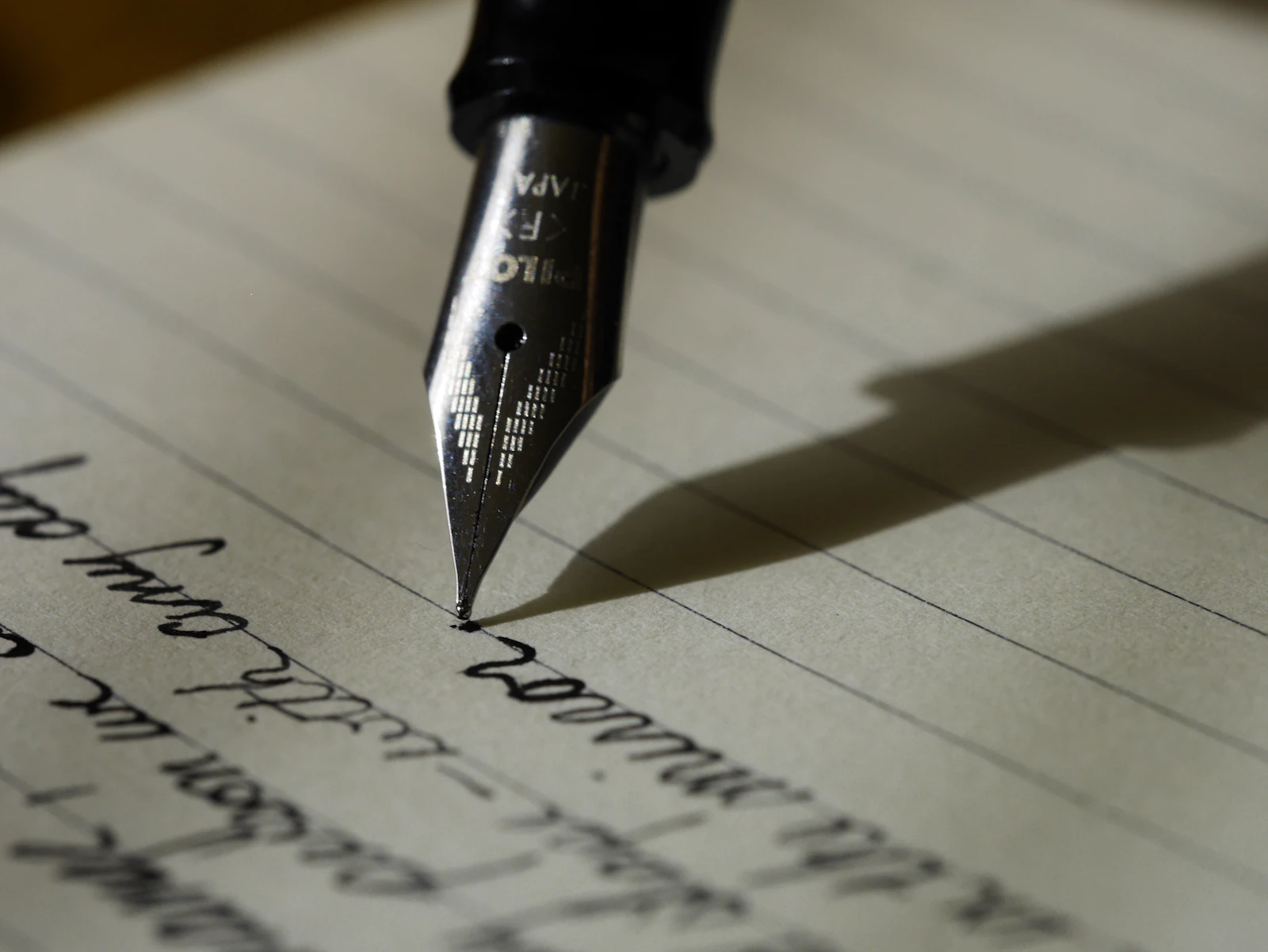
Getting published in a good journal is as much about presentation as it is about the research itself. We polish your writing for clarity, flow, and journal readiness while keeping your technical meaning intact.
Key Features
Everything you need to move your research forward with confidence.
Clarity and flow enhancement for complex academic texts
Style alignment with target journal guidelines
Detailed grammar, syntax, and phrasing correction
Support with pre-submission checks and editorial compliance
Our Process
A structured, transparent approach to delivering exactly what you need.
Manuscript review
We read your draft and flag structure, clarity, and formatting issues.
Polish and format
Language, structure, and references brought in line with requirements.
Feedback discussion
Review the polished draft together and finalize any specific changes.
Common Questions
What exactly is included in your Editorial Solutions service?
Editorial Solutions covers language editing, structural review, and journal-readiness checks for manuscripts, theses, grant applications, and abstracts. This includes correcting grammar, punctuation, and syntax; improving sentence flow and clarity; ensuring consistent terminology; and flagging sections that may confuse reviewers. Every edit is made with the goal of preserving your original meaning and voice while making the writing easier to follow.
What's the difference between copyediting and substantive editing?
Copyediting focuses on sentence-level correctness — grammar, punctuation, spelling, and consistency in style and terminology. Substantive editing goes further, addressing the organization, logical flow, and argument structure of your manuscript, including whether sections are ordered effectively and whether transitions support the reader's understanding. Most manuscripts benefit from substantive editing first, followed by a final copyediting pass.
How long does the editing process typically take?
Turnaround depends on manuscript length and service tier, but a standard research article (6,000–8,000 words) typically takes 3–5 business days for a full substantive and copyediting pass. Shorter documents like abstracts or cover letters can often be turned around within 24–48 hours. Rush options are available for tighter deadlines, and we'll always confirm a realistic timeline before starting.
Can you edit manuscripts written by non-native English speakers?
Yes — this is one of the most common reasons researchers work with us. Our editors are experienced at recognizing patterns common to translated or non-native English writing, such as article usage, verb tense shifts, and sentence structures carried over from another language, and correcting them without flattening your academic voice or the nuance of your argument.
Do you follow specific journal style guides during editing?
Yes. If you tell us your target journal, we align language, formatting conventions, and terminology preferences to that journal's author guidelines wherever they affect the prose itself (for example, preferred spelling conventions, abbreviation rules, or number formatting). Full structural and reference formatting to a journal template is handled under our Manuscript Preparation service, often bundled together.
Which subject areas and disciplines do your editors cover?
We work across medicine and life sciences, engineering and physical sciences, social sciences, humanities, and business and economics. Manuscripts are matched to editors with relevant subject familiarity, so terminology, conventions, and disciplinary expectations are respected rather than generically applied. If your field is highly specialized, let us know and we'll confirm editor fit before starting.
Do you provide a certificate of editing for journal submission?
Yes. Many journals request a statement confirming that a manuscript underwent professional English-language editing prior to submission, particularly for authors who are not native English speakers. We issue a signed certificate on request, referencing the manuscript title and the scope of editing performed, which you can include with your cover letter or submission materials.
How is editorial pricing determined?
Pricing is based primarily on word count, the level of editing required (light copyediting versus substantive editing), turnaround time, and subject complexity. We provide a fixed quote upfront after reviewing a sample of your manuscript, so there are no surprise charges once work begins. Bundled packages that combine editing with formatting are typically more cost-effective than ordering services separately.
What is the difference between proofreading and full editing?
Proofreading is a final-stage check for surface errors — typos, punctuation slips, and formatting inconsistencies — performed on a manuscript that is otherwise complete and polished. Full editing is a more involved process that also addresses clarity, sentence structure, and flow. If your manuscript hasn't yet had a substantive edit, proofreading alone won't catch structural or clarity issues.
Will editing change the meaning of my research or my voice?
No — preserving your intended meaning and academic voice is a core principle of how we edit. Editors make changes for clarity and correctness, not to rewrite your argument or impose a generic style. Where a sentence is genuinely ambiguous, we flag it with a comment or query rather than guessing at your intent and silently rewriting it.
Ready to get started?
Tell us about your project and we'll map out a timeline and quote within one business day.
Contact our team